How a Fall Detection Device Can Help Seniors Stay Safe at Home
When my father turned 78, he insisted on staying in the house he had lived in for over forty years. The stairs he once bounded up two at a time had become a daily negotiation. I understood his wish to age in place, but I also knew that a single misstep could change everything. That is when I started looking seriously into what a fall detection device could do for him, and for our family.
Falls are one of the biggest risks for older adults living independently. According to New Zealand health data, one in three people over 65 will fall at least once a year. For those over 80, the numbers are even higher. The consequences can be severe: a hip fracture often leads to a long hospital stay, loss of mobility, and a permanent move into residential care. What many people do not realise is that the time between a fall and when help arrives matters enormously. A long lie on the floor can lead to dehydration, pressure sores, and complications that turn a manageable injury into a life-threatening event.
This is where a fall detection device becomes more than just a gadget. It becomes a bridge between independence and safety. At its simplest, a fall detection device is a wearable pendant alarm that can automatically detect a fall and send an alert to a family member or a monitoring centre. Unlike a standard button you have to press yourself, a good fall detection device does not depend on the person being conscious or able to reach a phone. It works when you cannot.
What Makes a Fall Detection Device Reliable
Not all fall detection technology is created equal. Some systems use accelerometers and gyroscopes to measure sudden changes in motion and orientation. Others add barometric pressure sensors to detect the change in altitude when someone falls from standing height. The best ones combine multiple sensors and use algorithms that learn your normal movement patterns, so they can tell the difference between a fall and, say, bending down to tie a shoe.
I have seen cheap devices that trigger false alarms every time someone sits down too quickly. That kind of nuisance makes people stop wearing them, which defeats the purpose. On the other hand, a well-designed fall detection device should be sensitive enough to catch a genuine fall but smart enough to ignore everyday movements. This balance is hard to get right, but when it works well, it gives both the wearer and the caregiver genuine peace of mind.

One feature I particularly value in modern medical alert systems is GPS tracking. If my father goes for a walk in the neighbourhood and falls outside, a device with GPS can tell me exactly where he is. That is a huge comfort for someone who still wants to garden, walk the dog, or visit the local shops. A waterproof alarm also matters, because falls happen in the shower or bath more often than people like to admit. A device that cannot get wet is not much good when it is most needed.
Beyond the Alert: Family Monitoring and Two-Way Calling
What sets some personal emergency response systems apart is the ability for family members to stay directly involved. With family monitoring, I can receive an alert on my phone the moment my father has a fall. I do not have to wait for a call centre to contact me. I can see his location, listen in through two-way calling, and decide what to do. If he is conscious and just needs help getting up, I can talk him through it. If he is not responding, I can call an ambulance straight away.
This level of involvement changes the dynamic of care. Instead of feeling like I am checking up on him, I feel like I am part of a team that keeps him safe. And because the device works through a cellular network, there is no reliance on a landline or a home internet connection. That matters in New Zealand, where many rural homes still have patchy broadband but decent mobile coverage.
Another practical advantage is two-way calling. If my father accidentally triggers the alarm, he can speak directly through the base unit to cancel it. No unnecessary trips across town. And if he is confused or scared after a fall, hearing a familiar voice can make all the difference until help arrives. The best devices combine automatic fall detection with a simple push button, so the wearer can also call for help proactively if they feel unwell or sense they are about to fall.
No Monthly Fees and Long-Term Value
One of the biggest barriers to adoption for many seniors is the ongoing cost. Traditional monitored alarms often come with a monthly subscription that adds up year after year. That is why I was drawn to systems that offer no monthly fees. You buy the device once, and it works without a recurring charge. This model makes senior safety more accessible, especially for families on a fixed budget.
Of course, no monthly fees usually mean you are the one monitoring the alerts, rather than a professional call centre. That is a trade-off worth considering. For some families, having a trained operator handle every call is essential. For others, being able to respond directly and stay in control feels more natural. It depends on your situation. What matters is that the option exists, and that the technology works reliably either way.

When I looked into what was available in New Zealand, I found that Familyr offered exactly this kind of straightforward setup. Their system includes fall detection, GPS tracking, two-way calling, and family monitoring with no ongoing fees. The pendant alarm is waterproof and wearable, designed for daily use. It is the kind of practical solution that respects both the senior's desire for independence and the family's need for reassurance.
How to Choose the Right Fall Detection Device
If you are considering a fall detection device for yourself or a loved one, here are a few things to think about:
- Does the device use automatic fall detection, or do you have to press a button? For someone with limited mobility or cognitive issues, automatic detection is critical.
- Is it waterproof? Falls in the bathroom are common, so a device that can be worn in the shower is a must.
- Does it include GPS tracking? If the person goes outside, knowing their location can speed up emergency response.
- Who gets the alert? Some systems go to a monitoring centre, others go directly to family. Think about what works best for your situation.
- What are the ongoing costs? A device with no monthly fees can save a lot of money over time, but make sure you understand what you are getting.
These questions might seem basic, but they matter a lot in practice. I have spoken to caregivers who bought a cheap device only to find it could not detect a fall through clothing, or that the battery died within hours. A good fall detection device is not just about the hardware; it is about how well it fits into someone's daily life. If it is uncomfortable, awkward, or unreliable, it will end up in a drawer.
Looking After Someone from a Distance
For many families, the caregiver lives in a different city or even a different country. That was my situation for a while. I would call every evening, but I worried constantly about what might happen between calls. A fall detection device gave me something I could not get any other way: a direct line to my father's safety, no matter how far apart we were.
Ageing in place is a worthy goal, but it requires the right support. Elderly fall prevention is not just about removing rugs and installing grab bars. It is about having a safety net that works when you are not there. A wearable device that can detect a fall and alert a family member in real time is the closest thing to having someone in the room 24/7 without actually being there.
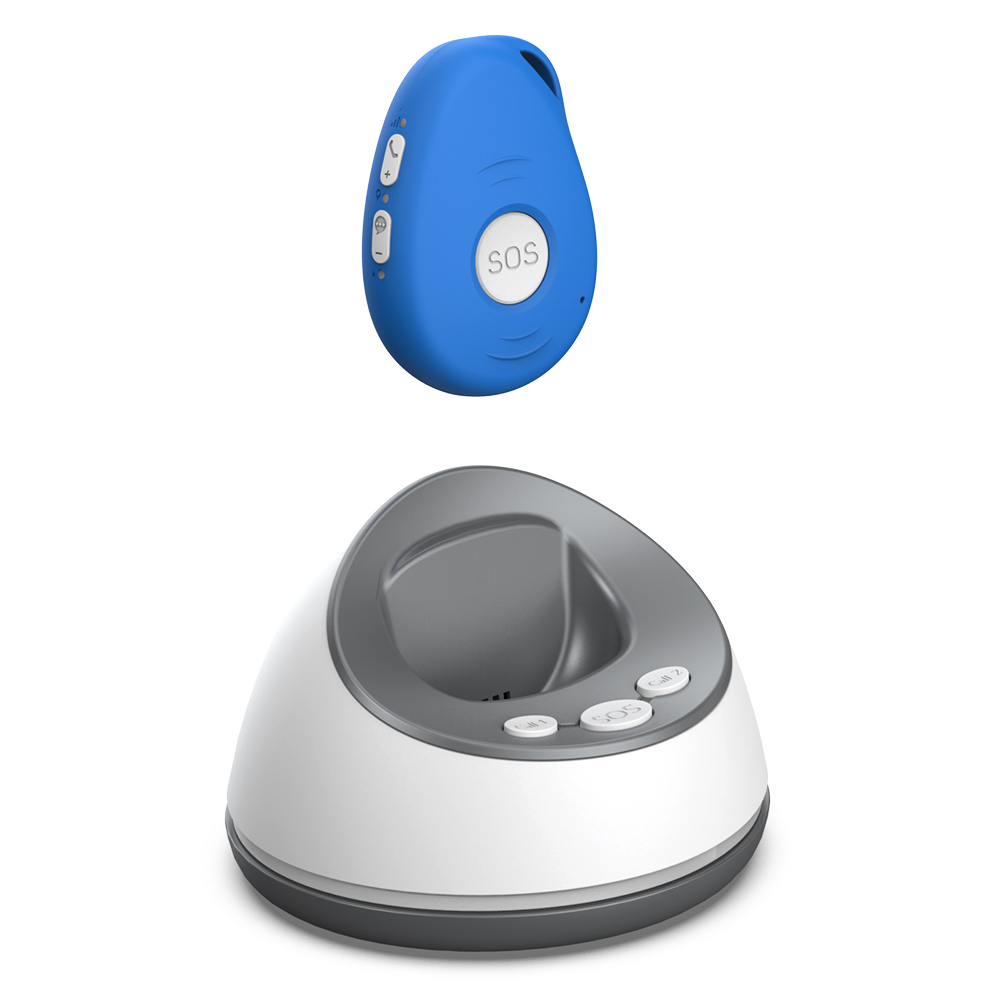
The technology behind these devices continues to improve. Better sensors, longer battery life, smaller form factors, and more intelligent algorithms all make a difference. But the core purpose remains the same: to help seniors live independently for as long as possible, while giving their loved ones a way to respond quickly when something goes wrong.
If you are supporting an older relative in New Zealand, a fall detection device is one of the most practical investments you can make. It does not replace good medical care or a safe home environment. What it does is close the gap between an accident and a response. And that gap, sometimes just a few minutes, can be the difference between a quick recovery and a long, difficult hospital stay.